

- Published:
- Monday 9 November 2026 at 4:13 pm
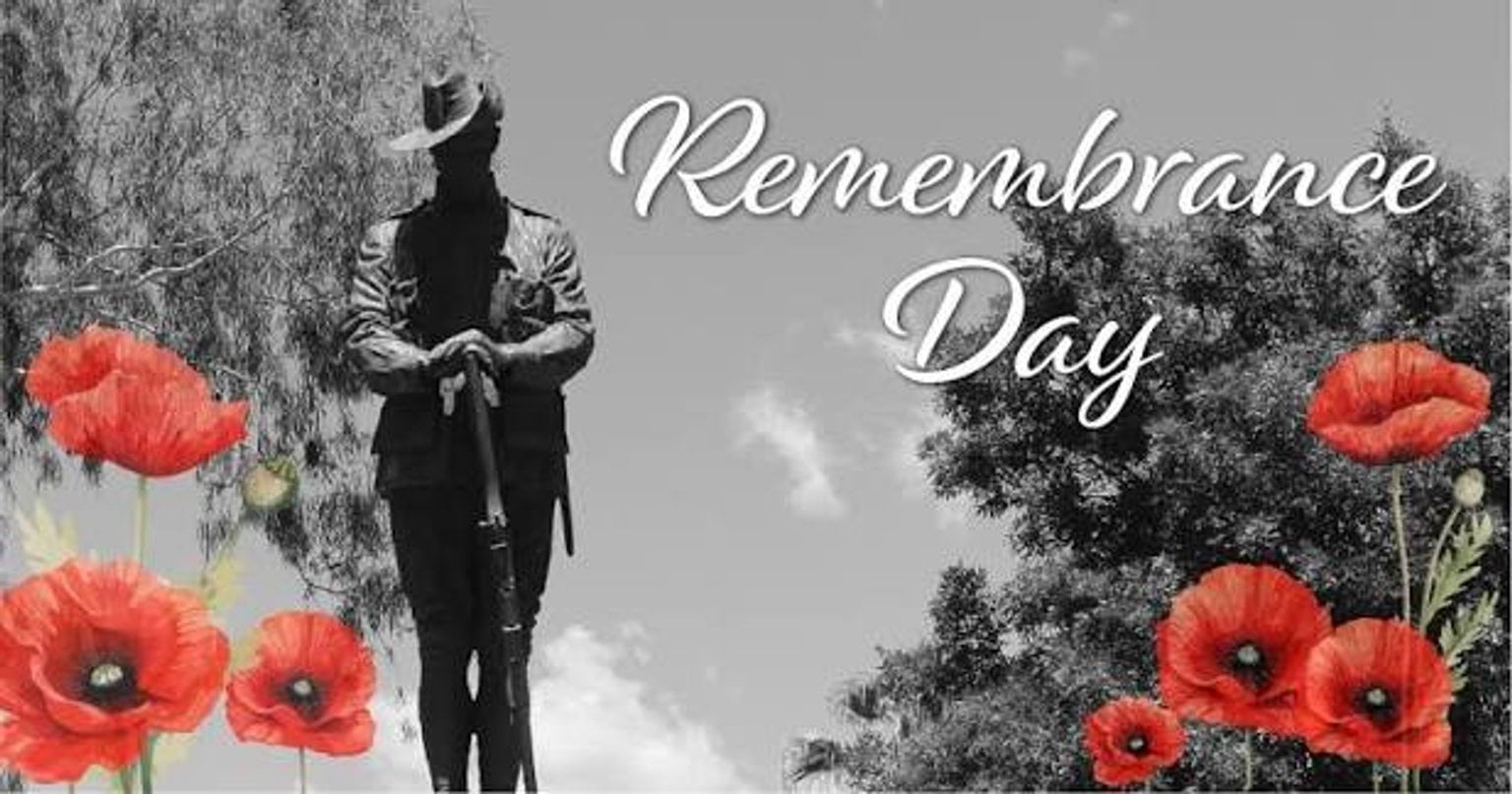
11 November is Remembrance Day, when Australians pause to honour those who have given their lives in service.
At 11 am on 11 November, Australians observe a minute’s silence to honour our fallen service personnel. On Remembrance Day, we also recognise the impact of military service on veterans' hearing health.
Due to intense noise exposure across WWI, WWII, Vietnam, and modern conflicts, hearing loss and tinnitus remain the most common service-related medical claims today. This critical need historically reshaped Australian medicine. In 1947, the government established the Commonwealth Acoustic Laboratories (CAL) — now National Acoustic Laboratories, and Australian Hearing (now Hearing Australia) to provide expert care and support for thousands of returning WWII veterans suffering from acoustic trauma. Around the same time, CAL also stepped in to assist during a paediatric rubella epidemic that saw many children born with profound disabilities, including hearing loss. By 1948, CAL developed and launched the 'Calaid', Australia’s first locally made hearing aid.
However, pre-existing deafness disqualified men from enlisting in the Australian Imperial Force during WWI because strict medical standards required full sensory and physical fitness. Due to intense societal pressure and the public shaming of service-aged men who were not in uniform (such as receiving white feathers), many rejected volunteers wore Rejected Volunteers' Association badges to show they had attempted to serve. While excluded from the front lines, deaf men and women stepped into critical civilian roles, taking over industrial, agricultural, and administrative jobs left vacant by enlisted men.
Although men who were deaf before the war could not enlist, thousands of Australian and Allied soldiers lost their hearing during combat. Today, Australia continues to support veterans who sustain hearing loss during military service through specialised health programs and inclusive communication access, such as Auslan-interpreted commemorative services. Through annual commemorations, initiatives like the Hearing Australia's 'Take Aim' campaign urge veterans to prioritise their hearing health, helping to combat wellbeing issues like loneliness and social isolation.
Updated